
Prepaid eSIM Plans Unlock Instant Global Connectivity
A traveler arriving in a new country can instantly activate a prepaid eSIM before landing, eliminating the need for a physical SIM card. This embedded digital profile allows users to purchase a data plan online, download it directly to a compatible device, and begin using local network services within minutes. The core benefit is seamless connectivity without roaming fees or swapping physical cards, as multiple eSIM profiles can be stored and switched between on a single device.
Unlocking Connectivity: The Rise of Pay-As-You-Go Embedded SIMs
Unlocking Connectivity: The Rise of Pay-As-You-Go Embedded SIMs means you can now activate a prepaid eSIM directly from your phone, skipping the plastic card and store visit. With this model, you buy data only when needed—no contracts, no monthly bills. It turns your device into a standalone hotspot, letting you add a local plan instantly when traveling or top up from an app for a weekend trip.
This flexibility kills roaming fees without locking you into a long-term carrier.
The embedded chip stores multiple prepaid profiles, so you switch between plans in seconds. It’s practical for juggling a work number and a travel eSIM, or just paying for gigabytes as you use them.
What Sets a Credit-Loaded Digital SIM Apart from Traditional Roaming
A credit-loaded digital SIM differs from traditional roaming by letting you pre-purchase a data package before travel, eliminating the shock of unpredictable per-megabyte charges. With traditional roaming, you’re hit with your home carrier’s inflated daily fees. In contrast, a prepaid eSIM gives you fixed credit for a set data allowance, so you know the exact cost upfront. There are no contracts or physical SIM swaps. Q: How does billing differ? You pay a one-time, transparent price for your chosen plan before you arrive. Traditional roaming bills appear later, often with hidden daily activation fees that burn through your balance even if you use little data.
Why Travelers Are Switching to Zero-Contract Embedded Chips
Travelers switching to zero-contract embedded chips eliminate the hassle of physical SIM swaps entirely. A single QR code install provides immediate local network access upon landing, bypassing airport kiosk queues. This allows seamless switching between carriers per destination without unlocking a device or managing multiple plastic cards. The chip’s permanence within the phone prevents loss or damage that plagues physical SIMs. Users load credit only as needed, avoiding surprise roaming bills by keeping the primary plan inactive until manually topped up. Freedom from roaming lock-in is the core driver, as travelers can now test local networks risk-free and retain data refunds on unused balances.
Travelers choose zero-contract embedded chips to eliminate physical SIM logistics, avoid roaming fees, and maintain full control over prepaid data with instant, per-trip network flexibility.
Core Mechanics: How Top-Up Via Software Actually Works
When your prepaid eSIM runs low, the top-up software doesn’t just send a signal; it triggers a structured handshake. Your phone’s app contacts the carrier’s provisioning server, authenticating your eSIM’s unique identifier (ICCID) and current balance. The software then bundles your payment confirmation into a remote SIM provisioning command, which the server pushes over-the-air directly to your eSIM chip. This command rewrites the stored data package—specifically the “remaining credit” counter and validity period—without needing a physical swap.
Your eSIM’s balance is a live, updatable file; the top-up software simply delivers the key to edit it, so new data flows instantly.
The process finalizes when a confirmation token syncs back to the carrier, locking the new allowance into your device’s embedded profile.
Activating a Profile Without a Physical Card: Step-by-Step
Activating a prepaid eSIM profile without a physical card begins by scanning a QR code or manually entering a confirmation code from your purchase receipt. Your device immediately downloads the digital eSIM activation profile to its embedded chip. After installation, you assign this profile as your primary data line in Settings, which triggers a quick network handshake. The software then authenticates your entitlement to the prepaid bundle, enabling service within seconds.
- Locate the QR code or SM-DP+ address in your order email or provider app.
- Open your phone’s cellular settings, select “Add eSIM,” and scan or input the code.
- Label the new line (e.g., “Travel Data”) and set it as default for mobile data.
- Wait for the status bar to show signal bars and a data icon—no restart required.
Profile activation hinges entirely on this backend validation, not on any physical insertion.
Understanding the Data Bucket Model in Modern Mobile Plans
Understanding the data bucket model in modern mobile plans is essential for managing prepaid eSIM usage. Unlike unlimited data, this model allocates a fixed volume of high-speed data, such as 10GB, within a defined validity period. Once consumed, speed is throttled to a lower rate or service stops until a new bucket is purchased manually or via an auto-renewing top-up trigger. The system tracks your consumption against the bucket’s remaining allowance in real time, displaying it in your eSIM dashboard. This ensures you never overpay, but requires active monitoring to avoid unexpected throttling.
The data bucket model for prepaid eSIMs provides a fixed volume of high-speed data that, once exhausted, either throttles or halts access until a new bucket is added.
Navigating Plan Variety: From Daily Passes to Long-Stay Packages
Navigating plan variety for a prepaid eSIM means matching your trip duration to the correct package. Daily passes offer 24-hour data cycles, ideal for short layovers or weekend trips where you activate only the days you need. For multi-week travels, long-stay packages (7, 15, or 30 days) provide a single fixed price for continuous connectivity, often at a lower per-day rate. The critical decision is predicting your usage window; over-buying a long pass for a short trip wastes money, while stacking daily passes for a fortnight can become more expensive than a dedicated monthly plan.
Always check the activation window—some long-stay packages start counting down immediately upon installation, whereas daily passes only tick when you enable the data line.
This distinction prevents unexpected service expiration mid-trip.
Comparing Fixed-Duration Bundles vs. Flexible Pay-Per-Gig Options
When choosing a prepaid eSIM, the core decision is often between fixed-duration bundles and flexible pay-per-gig options. Fixed bundles suit predictable travel, like a 10-day trip, where you pay upfront for a set data allowance and expiry, then forget it. Pay-per-gig options offer true adaptability: you only buy data when you run out, and it never expires as long as you top up periodically. To navigate this:
- Estimate your daily data use; if uncertain, start with a small pay-per-gig plan to test coverage.
- For trips over two weeks, compare the total cost of a bulk fixed bundle vs. the likely cumulative gigabyte purchases.
- Keep a hybrid approach: a fixed base plan for stability, then add a pay-per-gig top-up for overflow or unexpected extended stays.
Regional vs. Global Coverage: Which Subscription Suits Your Route
Choosing between a regional and global prepaid eSIM depends entirely on your specific itinerary. A regional eSIM for multi-country travel is optimal when visiting neighboring nations within a single zone, like Europe or Southeast Asia, offering unified coverage and lower costs per gigabyte compared to stitching together individual local plans. A global subscription, conversely, suits itineraries spanning disparate continents—such as a trip from Brazil to Japan to Kenya—providing one consistent connection without juggling multiple regional profiles. Evaluate your route’s geographic scope: if your stops cluster in one defined zone, save money with regional; if spread across multiple zones, global eliminates coverage gaps.
Regional eSIMs maximize value for compact, interconnected routes; global eSIMs ensure seamless connectivity across dispersed continents, preventing network drops where coverage overlaps or ends.
Smartphone Compatibility and QR Code Setup
For prepaid eSIM activation, confirm your smartphone is carrier-unlocked and supports eSIM profiles, typically models from iPhone XR/SE2 or Samsung Galaxy S20 onward. The QR code setup process requires a stable internet connection: navigate to your device’s mobile network settings, select “Add eSIM,” and scan the QR code provided by the prepaid provider. Common pitfalls include trying to scan from a screenshot of the QR code—always scan from a secondary device or printed copy. Q: What if the QR code fails to scan? A: Manually input the activation code (usually a 20-digit SM-DP+ address) under the “Enter Details Manually” option in your eSIM setup menu.

Checking Device Support for Digital-Only Line Provisioning
Before purchasing a prepaid eSIM, digital-only line provisioning requires verifying that your smartphone supports eSIM profiles without a physical SIM card. Most carriers mandate an unlocked handset with eSIM capability, typically found in iPhone XS or newer, and select Android models like Google Pixel 4 or later. Check your device’s IMEI via the carrier’s website or settings menu (e.g., “Add eSIM” option). Failure to confirm leads to setup failure—no QR code will activate the line.
- Confirm device unlock status via carrier or IMEI check tools.
- Navigate to Settings > Cellular/Mobile Data and look for “Add eSIM.”
- Cross-reference your phone model with the carrier’s eSIM compatibility list.
- Ensure your device runs the latest OS version for seamless provisioning.
Troubleshooting Common Installation Hiccups on Different Operating Systems
When installing a prepaid eSIM, iOS users often face a “Cellular Plan Not Added” error, typically resolved by ensuring the carrier’s activation profile is current or restarting the device. Android hiccups frequently involve an “Invalid QR Code” prompt, which usually requires checking that the device is not carrier-locked and that the camera can focus on a clean, unscratched QR. For Windows phones, a common stumbling block is the lack of native eSIM support, necessitating a manual entry of the SM-DP+ address. Verifying OS version compatibility is the universal first step, as outdated software rejects modern eSIM profiles. A quick fix across platforms is toggling Airplane Mode after scanning to force the network registration.
| OS | Common Hiccup | Solution |
|---|---|---|
| iOS | “Cellular Plan Not Added” | Update carrier settings & restart |
| Android | “Invalid QR Code” | Confirm unlock status & clean lens |
| Windows | Missing eSIM menu | Manually enter SM-DP+ address |
Cost Analysis: In-App Purchases vs. Street Vendor SIM Cards
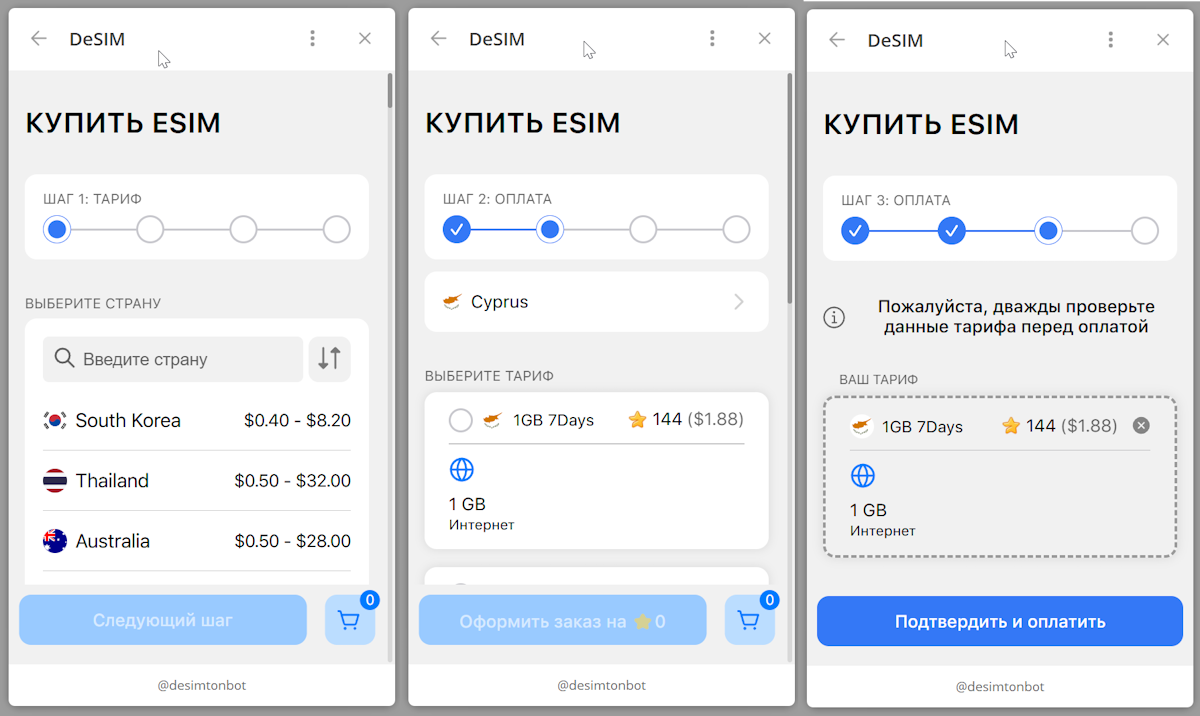
A cost analysis of in-app purchases versus street vendor SIM cards for prepaid eSIM reveals a clear pricing disparity. In-app purchases for an eSIM plan typically include no physical production or distribution overhead, yet often carry a 15–30% surcharge from the app store or provider for convenience and instant activation. In contrast, a street vendor’s plastic SIM card might appear cheaper upfront because the vendor can offer bulk or local wholesale rates for a physical product. However, a street vendor cannot sell a true prepaid eSIM—only a physical SIM—so to convert it to an eSIM later may incur additional fees or require a new purchase. When factoring the time cost of visiting a vendor, data plan flexibility, and the prepaid eSIM’s ability to switch carriers instantly without buying a new card, the in-app purchase often proves more cost-effective for short-term travel, while street vendor SIMs may only be cheaper for long, single-operator stays without roaming needs.
Hidden Fees to Watch for When Recharging Without a Storefront
When recharging a prepaid eSIM without a storefront, watch for convenience-based surcharges applied by digital resellers. These often appear as processing fees (typically 5–15%) added at checkout, separate from the plan price. To avoid overpaying, follow this sequence:
- Compare the final checkout total against the advertised base price.
- Verify if regional taxes or cross-border payment fees apply.
- Check for minimum top-up thresholds that force excess credit purchase.
Always confirm the exact amount deducted from your payment method, as small charges compound with each recharge cycle.
Bulk Data Deals: Averaging the Price Per Megabyte in Various Markets
When evaluating prepaid eSIMs, you must convert bulk data deals into a precise price per megabyte to compare value across markets. In high-competition regions like Europe, a 10GB package often averages $0.008 per MB, while in parts of Southeast Asia, the same bulk deal can drop below $0.004 per MB. Calculating bulk data deals per megabyte reveals that a 30GB plan from a regional carrier often beats a street vendor’s SIM card, which may appear cheaper upfront but charges $0.015 per MB on smaller top-ups. Ignoring this per-MB cost can double your actual data spending on a single trip.
| Market | Bulk Deal (e.g., 10GB) | Avg. Price Per MB |
| Western Europe | $8.00 | $0.0008 |
| Southeast Asia | $3.50 | $0.00035 |
| North America | $12.00 | $0.0012 |
Privacy and Control: The Security Edge of Preloaded Profiles
A preloaded profile on a prepaid eSIM gives you a clear security edge through privacy and control. Since the profile arrives ready to install, you never hand over personal details like your ID or home address to activate it. This cuts off data brokers and trackers from the start. You control exactly when the profile is active—you can delete it entirely after your trip, removing any digital footprint. Unlike a physical SIM, there is no plastic card with your number to lose, which prevents someone from cloning your line. This setup lets you compartmentalize your data, keeping your main number private while using a separate, one-time identity for travel or temporary use.

How Anonymous Purchases Protect Your Browsing History
When you acquire a prepaid eSIM using anonymous payment methods like cryptocurrency or untraceable gift cards, your browsing history is decoupled from your personal identifiers. Your IP address and DNS queries are linked to the eSIM profile, not your name or payment details, preventing internet service providers from logging activity back to your identity. This ensures your search history, visited sites, and online sessions remain unassociated with your real-world persona, shielding them from tracking, profiling, or subpoena-based exposure tied to billing records.
- Prevents a permanent link between browsing logs and your credit card or bank account.
- Blocks ISPs from selling or sharing your history using purchase metadata.
- Eliminates the risk of a data breach exposing your web activity via stored payment credentials.
- Ensures no correlation between your online identity and billing address for further profiling.
Immediate Deactivation: Managing Access Remotely via Your Account
Immediate deactivation via your account portal provides direct control over a prepaid eSIM’s access. If a device is lost or compromised, you can remotely terminate connectivity within seconds, preventing unauthorized data usage or account abuse. This action instantly severs the eSIM’s network registration, making it inert without requiring physical SIM removal or carrier intervention. The process typically involves toggling off a line or clicking a deactivate button, after which the profile cannot be reactivated without re-issuance. This granular management ensures that a stolen or misplaced device does not remain an open gateway to your plan’s remaining balance or personal data.
Immediate deactivation grants you the power to remotely sever a prepaid eSIM’s network access on demand, directly from your account, without any hardware interaction.
Optimizing Usage: Tips to Stretch Your Prepaid Balance

To stretch your prepaid eSIM balance, start by disabling background app refresh and automatic downloads when on mobile data. Use Wi-Fi whenever possible for heavy tasks like video calls or streaming, as the eSIM drains data faster without it. A key tip is to pre-download offline maps and music at home, saving your prepaid gigabytes for essential real-time use. You should also switch your messaging apps to send only low-resolution photos. Lastly, monitor your usage daily through the eSIM provider’s app, and consider topping up smaller data packs only when needed, rather than buying a large plan you might not fully use.
Configuring Dual-SIM Dynamics to Divide Work and Leisure
To split work and leisure on your prepaid eSIM, assign the work profile SIM for business calls and emails, while your personal eSIM handles social apps. In settings, rename each SIM like “Office” or “Weekend” to avoid confusion. Keep the work line’s data capped to stretch prepaid balance for leisure streaming. Route work notifications to mute after hours, so your play SIM stays quiet during focus time.
Configure dual-SIM dynamics by labeling each line, capping work data, and scheduling notification filters to preserve prepaid balance for both productivity and play.
Using Wi-Fi Offloading and Data Saver Modes Strategically
Leveraging strategic Wi-Fi offloading is critical for preserving your prepaid eSIM data. Actively connect to trusted Wi-Fi networks at home, work, or cafes to zero-rate large activities like video streaming and system updates. Complement this by enabling your device’s Data Saver, which restricts background data for non-essential apps. Configure your eSIM’s settings Singapore eSIM to prefer Wi-Fi when available, preventing accidental cellular consumption. Before enabling a hotspot, ensure Data Saver is active to throttle tethered usage. This combined approach systematically defers heavy traffic to free connections, directly extending your purchased prepaid balance without sacrificing core functionality.
Future Trends: Integration with IoT and On-Demand Networks
The future of prepaid eSIM hinges on its fusion with IoT and on-demand networks, transforming connectivity from a static plan into a dynamic utility. Prepaid eSIMs will act as the identity layer for countless smart devices, allowing users to instantly provision data for a drone, a pet tracker, or a rental car directly from a mobile app. Instead of fixed monthly cycles, users will purchase connectivity bursts—a few megabytes for a smart lock or a gigabyte for a weekend trip—triggered by device activity.
This shift means your prepaid eSIM evolves into a real-time resource manager, authorizing temporary network slices for specific tasks without any long-term contract.
The key trend is machine-to-machine on-demand provisioning, where a prepaid eSIM profile is downloaded and discarded automatically via a smart contract, enabling truly flexible, ephemeral connections that adapt to user behavior and device needs.
How These Digital Chips Enable Instant Activation for Smart Luggage
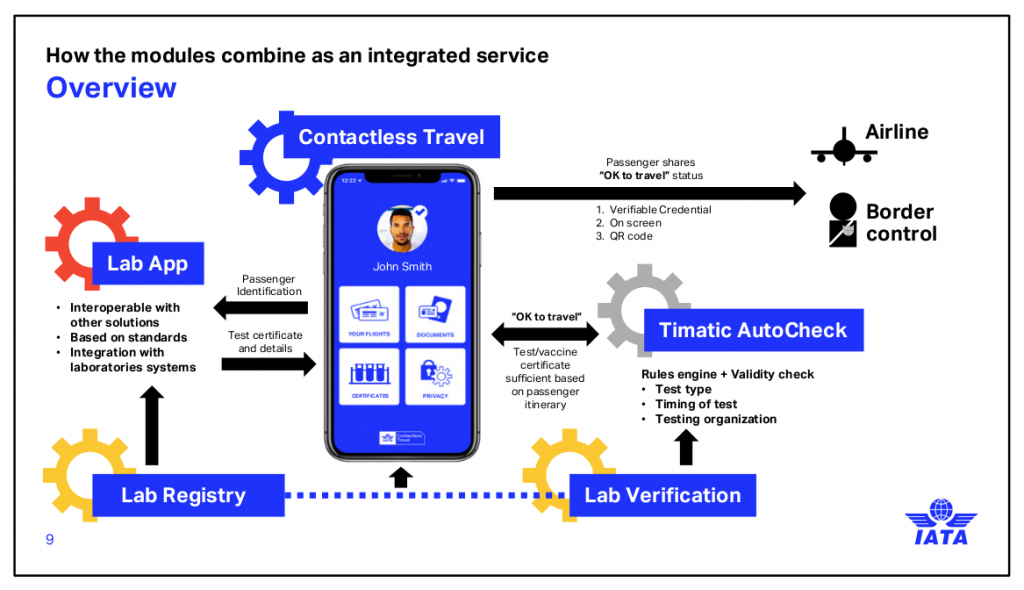
Prepaid eSIMs eliminate physical SIM cards, allowing smart luggage to connect to cellular networks the moment it is powered on. This instant connectivity for travel bags is achieved because the digital chip stores multiple carrier profiles. When a traveler lands, the luggage can scan for, authenticate, and activate the strongest local prepaid eSIM profile without user intervention. This process bypasses traditional wait times for SIM swaps or manual setup, enabling real-time location tracking and geofencing alerts from the moment the bag is switched on. The embedded chip’s remote provisioning protocol triggers data services within seconds of detecting a new network.
Prepaid eSIMs enable smart luggage to activate a data plan in seconds upon power-up, bypassing physical SIM swaps and manual configurations.
Predicting a Shift Toward Fully Automated Subscription Switching
Predicting a shift toward fully automated subscription switching involves analyzing how prepaid eSIMs will intelligently rotate between carrier profiles based on real-time data consumption patterns. This forecast hinges on eSIMs evaluating latency, cost-per-megabyte, and signal strength without user input. The system would preemptively activate a secondary provider when primary data runs low or congestion occurs. Such automation relies on embedded logic to negotiate predictive subscriber transfers between networks, ensuring seamless connectivity for IoT devices that cannot tolerate service gaps.
Fully automated subscription switching predicts that prepaid eSIMs will autonomously reassign active carrier profiles based on dynamic network conditions, removing manual selection entirely.