
The Best Travel eSIM Plans for Global Connectivity in 2025
Picture yourself landing in Tokyo and stepping off the plane with mobile data already active. That’s the power of a travel eSIM—a digital SIM card you install before your trip. It lets you bypass physical SIM swaps and roaming fees, connecting you instantly to local networks in over 200 destinations. Simply scan a QR code, pick a data plan, and stay online the moment you arrive.

Why a Digital SIM is a Game-Changer for Global Roaming
A digital SIM is a game-changer for global roaming because it eliminates the need to swap physical plastic cards upon arrival. With a travel eSIM, you activate a local data plan instantly via a simple QR scan or app, connecting to a foreign network before you even board the plane. This means no hunting for local vendors or paying exorbitant airport kiosk prices. The critical advantage is the ability to maintain your primary home number for calls and texts while using the eSIM solely for high-speed data, granting seamless dual-line functionality. Your connectivity is immediate, flexible, and entirely controlled from your phone, turning your device into a truly universal roaming tool.
How eSIMs Eliminate the Need for Physical Plastic Cards
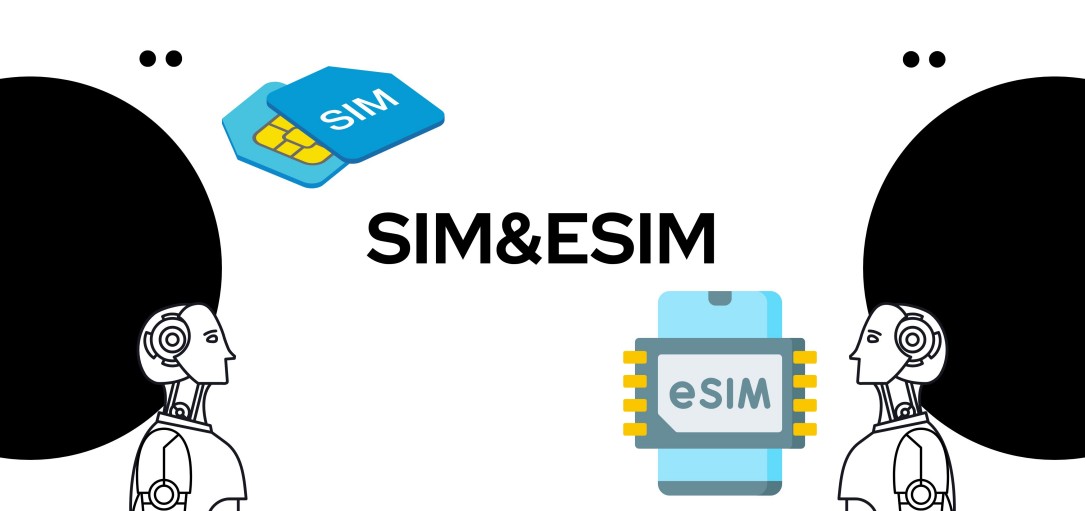
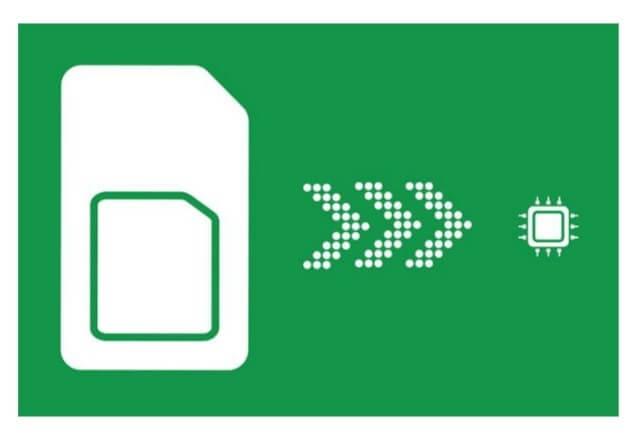
For global travelers, eSIMs eradicate the need for physical plastic cards entirely. You no longer fumble with tiny SIM trays or risk losing a local prepaid card in a foreign airport. Instead, a digital profile is downloaded directly to your phone, instantly connecting you to a local network without swapping anything. This eliminates the logistical headache of sourcing, storing, or discarding plastic travel SIM cards during a trip. Q: How does this remove physical cards? A: An eSIM is embedded in your device’s hardware, so a carrier profile replaces the entire plastic card; you simply activate it via a QR code or app, leaving your pocket free of clutter.
The Hidden Costs of Traditional Roaming vs. Virtual SIMs
Traditional roaming hides costs in daily minimums, connection fees, and billing cycles that often outlast your trip, turning a short journey into a week of unwanted charges. Virtual SIMs eliminate these by offering one-time, usage-based pricing with no background fees. The precise sequence of cost leakage is:
- Your home carrier activates a daily pass the moment you connect, even for a single email.
- This pass often resets at midnight, regardless of your time zone, triggering another charge.
- These cumulative, carriered-defined days far exceed your actual data usage.
A virtual SIM locks in a fixed data allocation with no daily resets, making predictable travel spending possible without surprise billing.
Instant Connectivity the Moment You Land
The moment your plane touches down, a travel eSIM activates automatically, eliminating the airport scramble for local SIM cards or Wi-Fi codes. Instant network registration occurs as you switch off airplane mode, linking you to a compatible local carrier without physical swaps. This seamless handoff lets you load maps, confirm hotel transfers, or message family before you even reach customs. Zero latency connectivity is achieved because the eSIM profile is pre-installed, requiring only a network signal to initiate service. Unlike temporary roaming passes, there is no manual toggle or reminder to disable airplane mode; the connection is immediate and persistent from the first step off the jet bridge.
Top Factors to Consider Before Choosing a Mobile Data Plan
When selecting a travel eSIM, prioritize data allowance vs. trip duration to avoid overpaying for unused gigabytes. Verify network coverage specifically within your destination’s rural zones, not just major cities. Check the activation process—some plans require manual APN setup, while others auto-connect upon landing. Evaluate data speed throttling after exceeding a high-speed cap, as many budget plans drop to 2G. Crucially, confirm if the eSIM supports tethering; some providers explicitly block hotspot sharing, which disrupts multi-device usage.
Coverage Maps: Which Networks Provide the Widest Reach
When choosing a travel eSIM, consult independent coverage maps to identify which native networks offer the widest reach in your destination. A single eSIM provider often partners with multiple operators; for example, in the US, look for plans using T-Mobile and AT&T for rural coverage, while Verizon excels in urban density. In Europe, the Swisscom or Vodafone partnerships typically ensure seamless connectivity across borders. Avoid planning that only lists “regional coverage”—insist on seeing the specific partner networks. Q: Which network gives the best global reach for a travel eSIM? A: No single network dominates everywhere; prioritize eSIMs that aggregate top-tier carriers like Deutsche Telekom and América Móvil for layered, reliable access.
Data Speeds and Throttling Policies You Should Know
When traveling with an eSIM, not all high-speed data is equal. Many plans offer “unlimited” data but throttle speeds significantly after a fair usage cap, often dropping to 2G or 3G speeds. This makes streaming or video calls impossible. Always check if your plan has **hard throttling limits**—some providers reduce speed after 1GB daily. To avoid slow connections, look for plans that advertise “full-speed data” with no throttling for your entire trip. Fair usage policies are the hidden rule that dictate when your speeds drop. Q: How can I tell if my travel eSIM will throttle data? A: Review the plan’s fine print for “unlimited” terms—if it mentions “deprioritization” or “speed reduced after X GB,” expect throttling during peak times or after the cap.
Multi-Profile Management for Frequent Flyers
For frequent flyers, multi-profile management is essential for seamlessly switching between pre-loaded travel eSIM plans as they cross borders. Users maintain several active data profiles on a single device, enabling them to instantly activate a local or regional plan for a new destination without physical SIM swaps. This capability allows travelers to keep their primary home number active for calls while assigning data to a temporary eSIM. Profiles can typically be labeled (e.g., “Asia Trip” or “Work”) and toggled on/off based on the current itinerary, ensuring uninterrupted connectivity without always needing to purchase a new plan mid-journey.
Step-by-Step Setup Guide for Your Next Trip
Before departure, confirm your phone is eSIM-compatible, then purchase a travel eSIM plan matching your destination and data needs. Upon arrival, install the eSIM by scanning the provider’s QR code from your booking email; ensure your primary SIM remains active for calls while setting the eSIM as your cellular data line. For activation, enable data roaming on the eSIM and manually select a local network if it doesn’t connect automatically. A common oversight is installing the eSIM while still in your home country, which can trigger premature activation on certain plans. Finally, test your connection by loading a map—always download an offline version as a backup. Label your eSIM profile clearly in settings to avoid billing surprises, and restart your phone if you experience no signal after activation.
Checking Device Compatibility with Embedded SIM Technology
Before purchasing a travel eSIM, you must first verify your smartphone supports embedded SIM technology. For iPhones, models from the XS, XR, and newer (excluding most Chinese mainland models) are eSIM-compatible. For Android, check manufacturer specs for eSIM eligibility, as devices like recent Google Pixel and Samsung Galaxy S series support it. Crucially, ensure your device is carrier-unlocked; a locked phone will reject a foreign eSIM profile without unlocking it first. Physically inspect your SIM tray slot or navigate to Settings > Cellular (or Mobile Data) to see if an “Add Cellular Plan” option appears, confirming embedded SIM readiness. Verifying eSIM device compatibility before purchase saves time abroad.
Checking device compatibility for embedded SIM technology requires confirming eSIM support, carrier unlock status, and the presence of the “Add Cellular Plan” setting.
Downloading and Activating a Plan Before Departure
Before you fly, download and activate your travel eSIM plan while you’re still on Wi-Fi to avoid scrambling at the airport. Simply buy a plan, scan the QR code or install the profile from the provider’s app, then activate it—activation often requires setting it as the default data line. Most plans let you pick a start date or activate immediately, so choose a future date if you want data to kick in upon landing. Double-check that the eSIM appears in your phone’s settings under Cellular or Mobile Data before you leave home.
Switching Between Local and Global Profiles Seamlessly
When you land, seamlessly toggle between a local data plan for high-speed, low-cost access in your destination and a global eSIM profile that maintains connectivity across borders. In your phone’s settings, simply enable the local profile for daily navigation and social apps, then switch to the global one for emergency roaming or while transiting. This dual-profile management lets you optimize costs without missing a beat—no physical swaps or carrier changes are needed. With one tap, your device adapts instantly, ensuring you always have the right connection for every leg of your journey.
Comparing Top Providers for International Data Access
When comparing top providers for international data access via travel eSIM, focus on coverage breadth and pricing models. Airalo offers competitive regional plans with easy app management, while Holafly provides unlimited data for specific countries, though speeds may throttle after fair usage. Which provider is best for multi-country trips? Airalo’s global packages often suit cross-border travel better than Holafly’s single-country focus, but Ubigi excels in Japan with consistent LTE speeds. For Europe, eSIM.net’s multi-network access can be cheaper than GigSky’s premium rates. Always verify that your device is eSIM-compatible and check if voice calls are included, as data-only plans are common. Compare GB allowances versus duration to match your itinerary.
Airalo vs. Holafly: Strengths and Weaknesses
Airalo vs. Holafly: Strengths and Weaknesses centers on data allocation versus simplicity. Airalo offers budget-friendly, tiered data plans across many countries, but requires manual top-ups when data runs out. Holafly provides unlimited data plans in most destinations, yet its speed may be throttled after heavy daily usage. Key differences emerge in a clear sequence:
- Plan structure: Airalo sells fixed data packages (e.g., 1GB, 3GB); Holafly sells only unlimited data.
- Validity: Airalo’s plans typically last 7–30 days, while Holafly plans commonly pair unlimited data with a fixed 5–30 day window.
- Setup complexity: Airalo requires installing an eSIM profile before departure and can add a new eSIM for top-ups; Holafly automatically activates upon arrival and lacks easy in-app top-ups, forcing users to buy a new eSIM.
- Speed policy: Holafly often imposes a Fair Use Policy after 500MB–1GB daily, reducing speeds; Airalo usually provides a fixed speed until the data cap is hit, then stops.
Regional Plans That Offer the Best Value in Asia
For travelers across multiple Asian destinations, regional eSIM plans from providers like Airalo and Holafly deliver exceptional savings compared to national SIMs. A single regional Asia eSIM typically covers top destinations like Japan, South Korea, Thailand, and Singapore with one seamless data pool. This eliminates the hassle of swapping SIMs at each border and avoids costly daily roaming add-ons. Airalo’s “Asia Link” and Holafly’s “Asia” plan offer generous high-speed data (e.g., 10GB for 30 days) at a fraction of buying separate local eSIMs. You only activate once, manage one balance, and enjoy consistent 4G/LTE connectivity across the region. For multi-country trips, this unified approach is both cheaper and infinitely more convenient.
Unlimited Data Options for Heavy Streamers and Remote Workers
For heavy streamers and remote workers reliant on consistent bandwidth, travel eSIMs with genuinely unlimited high-speed data eliminate the anxiety of throttled connections mid-call or buffering during 4K playback. These plans bypass daily caps, offering true zero-fuss usage across multiple time zones. However, always verify the “fair use” ceiling—some providers still cap speeds after a set gigabyte threshold, undermining streamers. Prioritize providers that advertise unthrottled LTE/5G for stable video meetings and content uploads.
- Confirm the plan defines “unlimited” as full-speed data for the entire validity period, not just a reduced rate after 20GB.
- Ensure unlimited tethering is explicitly allowed for laptop-dependent remote work.
- Look for coverage maps that support high-bandwidth streaming in your specific destination countries.
Maximizing Savings When Using Data Overseas
To maximize savings when using data overseas, a travel eSIM lets you bypass expensive carrier roaming fees by purchasing local or regional data plans directly from eSIM providers. Before your trip, compare plans on aggregator sites to find the best per-GB cost for your destination. Avoid overpaying by selecting a plan with exactly the data you need, often with no daily activation fees. A key insight is:
purchasing a multi-country regional eSIM plan often costs less per GB than buying separate single-country plans for each border crossing.
Additionally, disabling background app refresh and auto-downloads on your phone while using the eSIM will further stretch your data allowance, ensuring every megabyte you paid for is used efficiently.
How Prepaid Top-Ups Prevent Unexpected Charges
Prepaid top-ups transform your travel eSIM into a budget fortress. Instead of roaming into a surprise bill, you load a set amount before connecting. Once the credit is spent, data cuts off instantly—no overage fees, no hidden back-end charges. You stay in complete control, swapping or recharging only what you need. Zero-risk data budgeting means you dictate your spending, not the network. Q: How do prepaid top-ups block unexpected overseas charges? A: They put a hard ceiling on your data wallet, so the moment your balance hits zero, connection stops—eliminating any chance of auto-billing or shock fees.
Bundle Deals That Combine Voice, SMS, and High-Speed Internet
Bundle deals that combine voice, SMS, and high-speed internet are ideal for travelers who need reliable communication beyond just data. These all-in-one travel eSIM plans often include a set amount of call minutes, text messages, and a data cap, preventing bill shock from separate add-ons. When selecting a multi-service travel eSIM bundle, verify that the voice and SMS are included for your destination country, not just for incoming messages. These packages simplify management by centralizing costs, though they typically offer less data than data-only plans, so assess your calling needs first.
Do bundle deals for voice, SMS, and data work with all eSIM-compatible phones?
Most modern eSIM phones support these combined plans, but check that your device allows simultaneous data and voice service—some older models route voice calls through the physical SIM, potentially interrupting the eSIM’s internet connection.
Using Wi-Fi Hotspots to Supplement Your Mobile Connection
When using a travel eSIM, strategically connecting to free hotel and café Wi-Fi can drastically stretch your data allowance for non-urgent tasks like map downloads or social media scrolling. Offload large updates and streaming to these hotspots, then switch back to your eSIM for navigation or messaging on the move. This hybrid approach prevents you from burning through your paid plan, especially in areas with weak cellular signals. Simply toggle your phone’s Wi-Fi on at your accommodation, then disable it when stepping out to avoid constant reconnection prompts.
Use Wi-Fi hotspots to reserve your eSIM data for essential, on-the-go connectivity, maximizing every megabyte of your travel allowance.
Troubleshooting Common Connectivity Issues Abroad
When your travel eSIM fails to connect abroad, first ensure data roaming is enabled in your device settings, as this is the most common oversight. If no signal appears, manually select your travel eSIM’s designated network operator from the carrier list rather than relying on automatic selection. For persistent APN configuration errors, verify that the access point name matches your eSIM provider’s exact instructions—often a simple typo blocks connectivity. Restart your phone after any changes to refresh the network registration. If a specific location has dead zones, airplane mode toggle can force a fresh signal search without reinstallation. These targeted steps resolve nearly all abroad connection issues quickly.
What to Do When Your Profile Fails to Activate

When your travel eSIM profile fails to activate, first verify you have a stable internet connection via Wi-Fi or a local SIM. Next, manually scan the QR code or re-enter the activation code from your provider’s email. Manual network selection often resolves this: go to your device’s mobile network settings, disable automatic selection, and choose the carrier listed in your eSIM plan. If activation still fails, restart your phone to refresh network registration. Then, ensure the eSIM profile is enabled in your SIM manager.
- Delete and re-download the eSIM profile from your provider’s app or link.
- Check your device’s eSIM compatibility and that the profile matches your destination region.
- Toggle airplane mode on for 30 seconds, then off, to force a fresh network reconnection.
Resolving Slow Internet Speeds in Remote Locations

When connectivity drags in remote areas, first toggle Airplane Mode for 10 seconds to force a refreshed tower connection. If speeds remain sluggish, manually select a local network via your device’s carrier settings—operator-chosen defaults often prioritize partner networks over stronger local ones. For persistent dead zones, physically reposition toward higher ground or open windows, as obstacles degrade signal. As a last resort, optimize your eSIM data plan by switching to a lower-resolution streaming mode or disabling background app refresh. Use these sequential steps:
- Toggle Airplane Mode to re-establish network handshake.
- Manually scan and select a local tower not auto-assigned.
- Move to an Singapore eSIM unobstructed, elevated position.
- Reduce data-heavy app usage or switch to text-only browsing.
Backup Strategies If Your Primary Network Drops
When your primary travel eSIM drops, a quick backup strategy prevents total disconnection. Instantly switch to a secondary eSIM profile pre-loaded on your device, which can be activated without a physical card swap. Alternatively, enable automatic failover in your phone’s cellular settings to jump to a local physical SIM or a second eSIM when the primary loses signal. Multi-profile management ensures seamless connectivity across networks.
- Pre-load two eSIMs from different regional carriers before departure
- Configure signal-based automatic network switching in iOS or Android
- Keep a physical local SIM as a hard backup in remote areas
Future Trends in Global Roaming Technology
Future trends in global roaming technology will see travel eSIMs evolve from simple data plans into fully autonomous connectivity hubs. A major shift is the integration of native network slicing, allowing the eSIM to dedicate a specific bandwidth portion for real-time translation or navigation, while throttling background app usage. Another key trend is automatic carrier switching, where the eSIM analyzes local signal quality and latency in real-time, seamlessly hopping between multiple underlying networks without user input. This intelligence means a traveler’s device might prioritize a less congested 5G band in a crowded airport rather than simply the strongest signal. Furthermore, embedded eSIMs will support unlimited, tiered data pools that dynamically adjust speed thresholds based on the current country’s infrastructure, eliminating the need to manually top up regional packages.
The Rise of IoT Integration with Portable SIMs
Portable SIMs are evolving into centralized hubs for travelers’ connected device ecosystems. A single eSIM profile now manages cellular connectivity for a smartphone, a smart luggage tracker, and a portable translator simultaneously. This integration follows a clear sequence: first, the eSIM authenticates the primary handset; second, it dynamically delegates network slots to paired IoT peripherals; third, these devices share a pooled data allowance. This eliminates the need for separate physical SIMs for each gadget, streamlining multi-device travel.
- The traveler activates the eSIM on their phone for global roaming.
- The phone broadcasts a secure token to nearby IoT wearables or sensors.
- Peripherals latch onto the phone’s roaming session for low-bandwidth tasks.
Blockchain-Based Plans for Secure Transactions
Blockchain-based plans for travel eSIM transactions replace centralized billing with a distributed ledger, ensuring real-time, tamper-proof settlement between home and visited networks. This eliminates post-roaming bill shocks by using smart contracts that deduct pre-purchased data credits instantly per session. Each transaction is cryptographically signed, preventing unauthorized usage from cloned eSIM profiles. A traveler’s on-chain history provides an immutable log for verifying data consumption. Key practical advantages include:
- Instant settlement of cross-network data charges via trustless smart contracts
- Immutable transaction records that prevent disputed bills
- Wallet-based authentication, removing reliance on third-party clearing houses
- Micro-transaction capability for pay-per-megabyte roaming without minimum top-ups
How 5G Networks Are Redefining Cross-Border Data
5G networks eliminate the latency and bandwidth bottlenecks that historically plagued roaming, enabling a travel eSIM to maintain native-like speeds across borders. Cross-border data handoffs now occur seamlessly as 5G’s core architecture supports network slicing, allowing your connection to stay pinned to a high-priority virtual lane even when switching towers in a new country. This means video calls and real-time navigation no longer degrade at border zones. Previously, a trip from one cell region to another meant re-authentication; 5G pre-negotiates these transitions in milliseconds. The practical result is consistent, low-latency performance for any device using a travel eSIM, making cross-border data feel geographically invisible.
5G networks redefine cross-border data by making international roaming connections instantaneous, low-latency, and indistinguishable from domestic service through advanced handoff protocols and network slicing.